


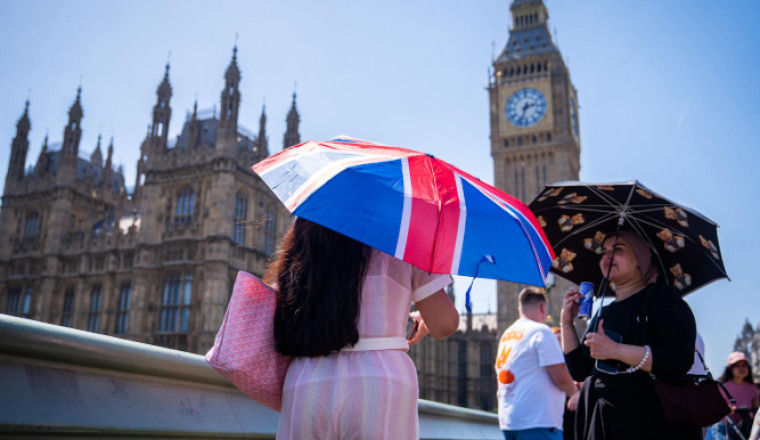
More than 2,700 people died during the record-breaking heatwaves that swept across England and Wales in May and June, according to a new study by researchers from Imperial College London, the Met Office and the London School of Hygiene and Tropical Medicine.
The researchers estimate that around 550 people died from heat-related causes during the nine-day heatwave in May, while a further 2,200 deaths occurred during the 11-day heatwave in June.
The study concluded that climate change contributed to more than 42% of those deaths by making the heatwaves significantly more intense. Researchers estimated that human-driven climate change was responsible for 327 deaths in May and 825 in June.
The analysis combined weather observations, climate models and previous research on heat-related mortality to compare the number of deaths during the heatwaves with estimates of how many might have occurred without global warming caused by activities such as burning fossil fuels.
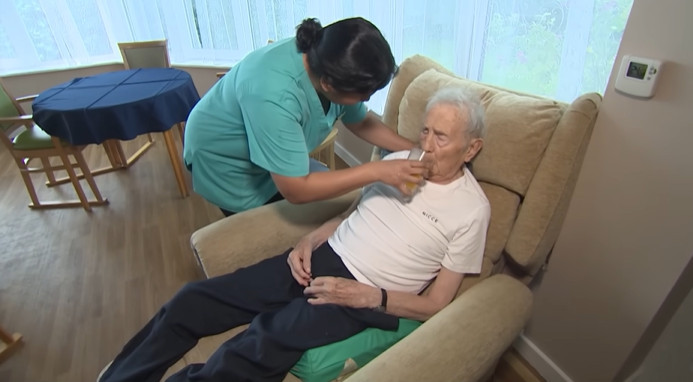
High temperatures can lead to heat exhaustion, heatstroke and increased strain on the heart and kidneys. They can also worsen existing conditions, including heart disease, respiratory illnesses and diabetes. Researchers also warned that extreme heat can affect mental health, increase the risk of violence and raise the likelihood of drowning incidents.
Dr Mark McCarthy of the Met Office described the two heatwaves as exceptional. He said heatwave thresholds are rarely reached in May, but this year's temperatures climbed as much as 15C above the seasonal average across parts of England and Wales. The June heatwave also brought unusually high humidity alongside extreme temperatures.
"They were extreme heatwaves for the UK, and for all parts of western Europe, and they're particularly exceptional for the timing and how early in the year they occurred," Dr McCarthy said.
"This combination of extreme daytime heat, high humidity and hot nights all act to really contribute and increase the impact these heatwaves have on our infrastructure, on transport, agriculture and particularly on our health and wellbeing."
Dr Clair Barnes of Imperial College London described heatwaves as "the most dangerous kind of extreme weather" and said the UK needed to prepare for extreme heat in the same way it prepares for winter illnesses.

She warned that while warm weather is often associated with trips to the beach and outdoor activities, the reality is far more serious.
"People need to be aware that we are now seeing dangerous climate-change-fuelled heat that is claiming lives, disrupting schools and hospitals and shutting down transport and infrastructure," she said.
Dr Barnes added: "It's time we woke up to the fact that we now live in a country with dangerously hot summers."
The independent Climate Change Committee has previously warned that the UK is not adequately prepared for rising temperatures, predicting that up to 92% of homes could overheat by 2050. It has called for maximum workplace temperature limits and greater use of air conditioning in hospitals, schools and care homes.
Professor Lea Berrang Ford of the UK Health Security Agency said the estimates provide an important indication of the health risks posed by prolonged periods of extreme heat.
"While they are not a measure of observed mortality, they help illustrate the scale of risk associated with extreme heat and the growing threat climate change poses to our wellbeing."
The UK Health Security Agency is expected to publish its official interim analysis of heat-related deaths from the recent heatwaves in the coming weeks.
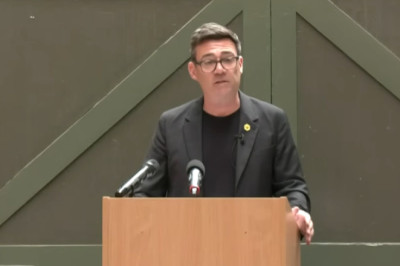
Green Party leader Zack Polanski said the findings should serve as a warning, arguing that stronger action is needed to both tackle climate change and protect people from the growing risks posed by extreme heat.









Comments
0 comment